
Our Science
T cells are central players in the adaptive immune system.
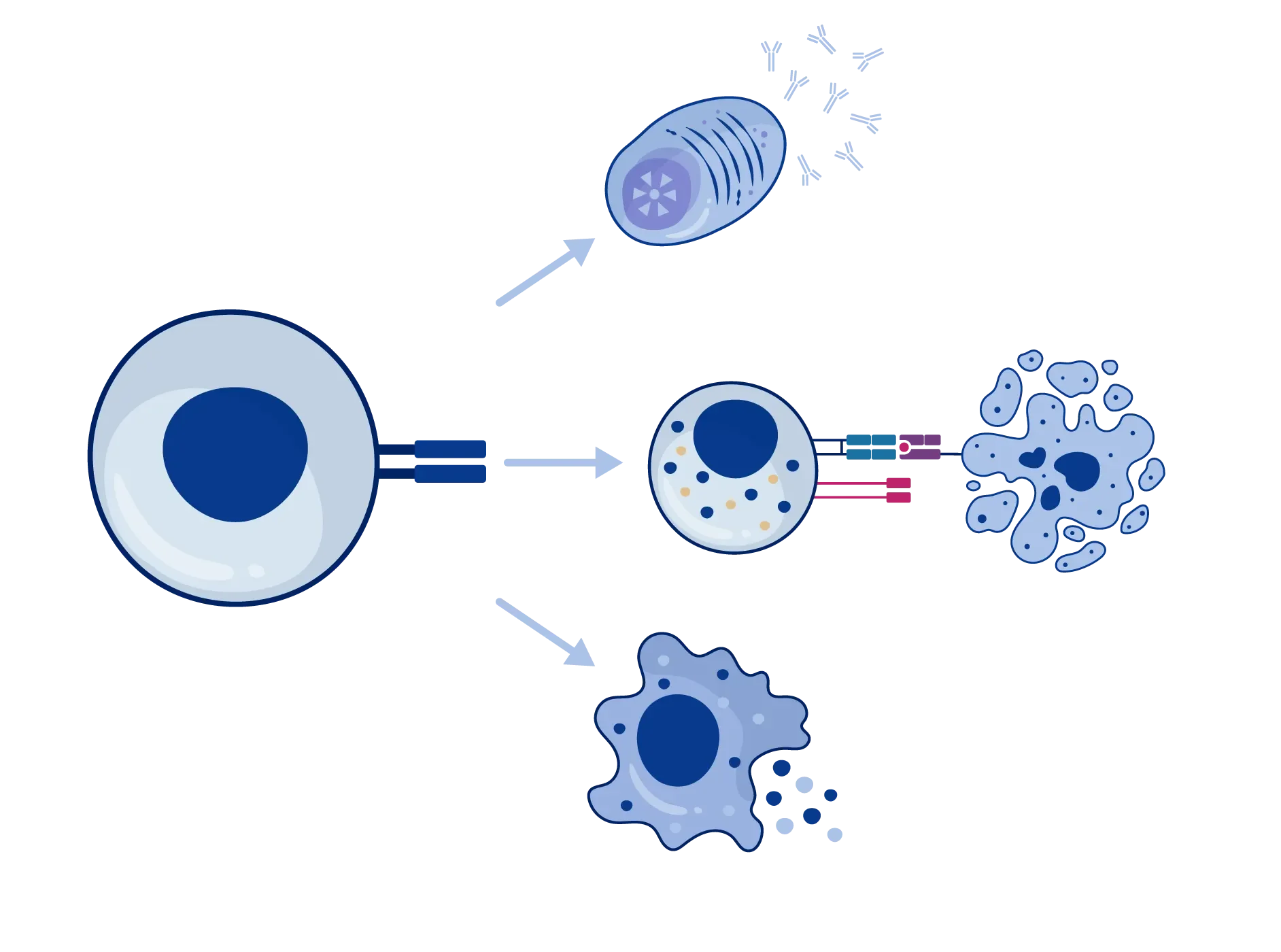
CD4+ T Cell Support Functions Of Phagocytic Cells, CD8+T Cells And Plasma Cells
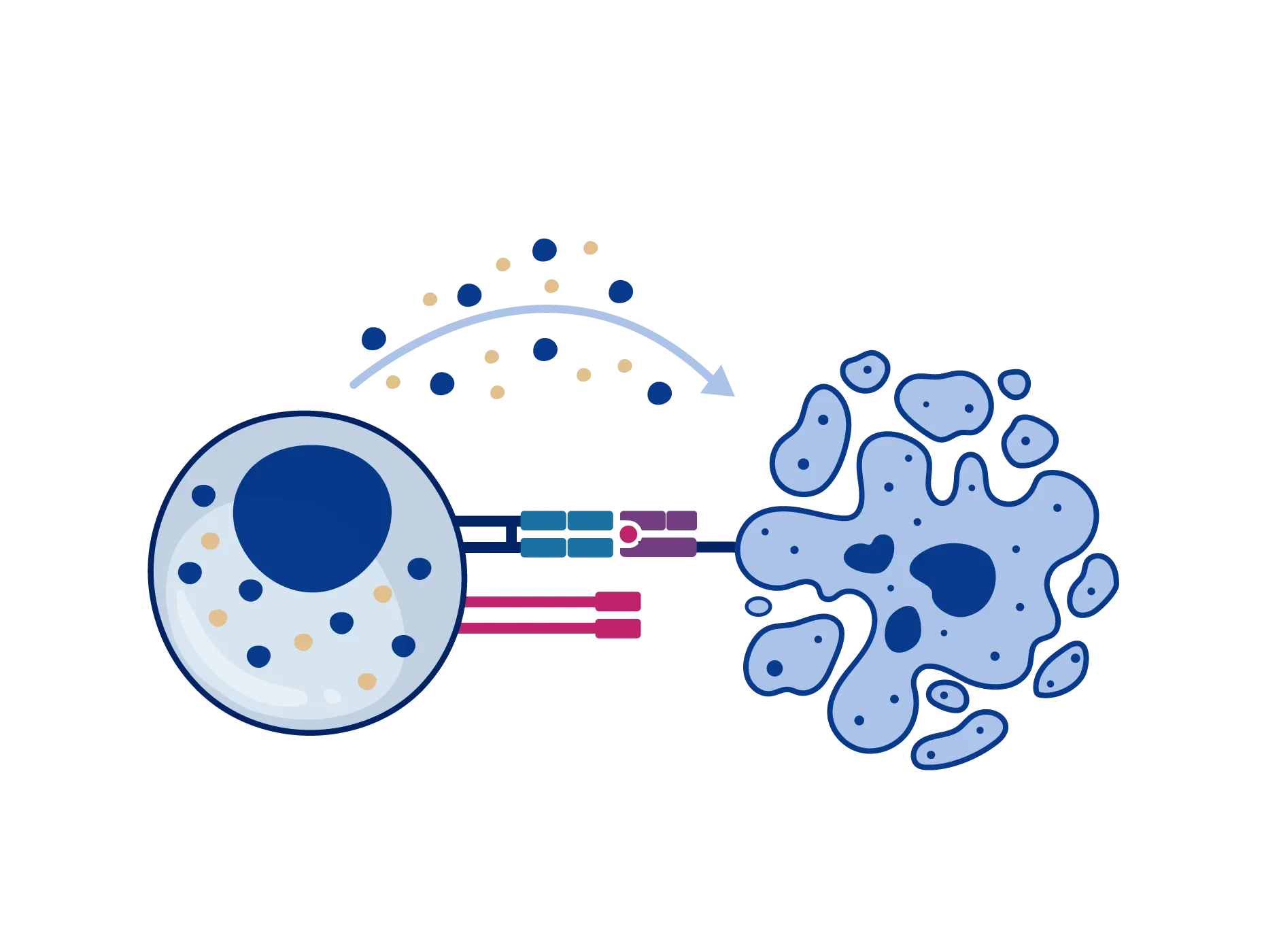
CD8+ T Cells Kill Infected cells using lytic enzymes
Together, these T cells are essential for clearing infections, shaping immune memory, and providing long-term protection.
Research led by our team has significantly advanced our understanding of T cells, particularly in the context of viral infections. Our work has shown that strong CD8⁺ T cell responses are associated with milder disease outcomes in infections like COVID-19, emphasising their role in protective immunity.
To overcome these barriers, T Cell Diagnostics propose the Whole-Blood Cytokine Release Assay (CRA)—a simple, scalable, and clinically validated method for measuring antigen-specific T cell responses.
Key advantages of the CRA:
Minimal sample required:
Less than 1 mL of fresh whole blood
No PBMC isolation:
Direct stimulation with pathogen-specific peptide pools
Multiplex readout:
Detects cytokines (e.g., interferon-γ, IL-2) secreted by antigen-specific T cells
This streamlined approach eliminates the need for complex cell processing, enabling T cell monitoring in both research and clinical settings.
The Whole-Blood CRA combines simplicity, efficiency, speed, and insight to deliver practical T cell testing with proven clinical impact:
Chronic Hepatitis B
Identified functional T cell responses in ~80% of patients, supporting patient stratification, disease monitoring, and treatment optimisation.
HBV-related Liver Cancer
Tracked engineered T cell activity in patients receiving HBV-specific TCR therapy with Lion TCR Pte Ltd, providing real-time treatment assessment.
SARS-CoV-2 & other Viruses
Detection of virus-specific T-cell responses to SARS-CoV-2, dengue, HCMV, and influenza, enabling population-scale immune monitoring.
By making T cell diagnostics accessible and actionable, the CRA is redefining immune monitoring in infectious disease, immunotherapy, and vaccine development.
Conventional T cell assays, such as ELISpot or flow cytometry, are technically demanding and challenging to implement in routine clinical settings. These methods typically require:
Large blood volumes and PBMC isolation
Labour-intensive preparation limits practicality.
Specialised labs and skilled personnel
Complex procedures need trained staff and controlled environments.
Time-consuming protocols
Multi-step workflows can take hours to days, resulting in delayed results.
These logistical and technical hurdles have significantly constrained the adoption of T cell testing in routine diagnostics, preventing its full potential from being realised in patient care, immunotherapy monitoring, and large-scale disease surveillance.
Antibody tests provide only a partial view of immunity. T cells provide critical, complementary insights, especially in the context of chronic infections and vaccination.
In diseases such as hepatitis B (HBV) and COVID-19, antibody levels don’t always correlate with T cell responses. T cell immunity can persist even when antibodies wane, highlighting the importance of assessing both arms of the immune system.
Assessing T cell responses can: